Persian vs Himalayan vs Exotic Shorthair: What's the Difference?
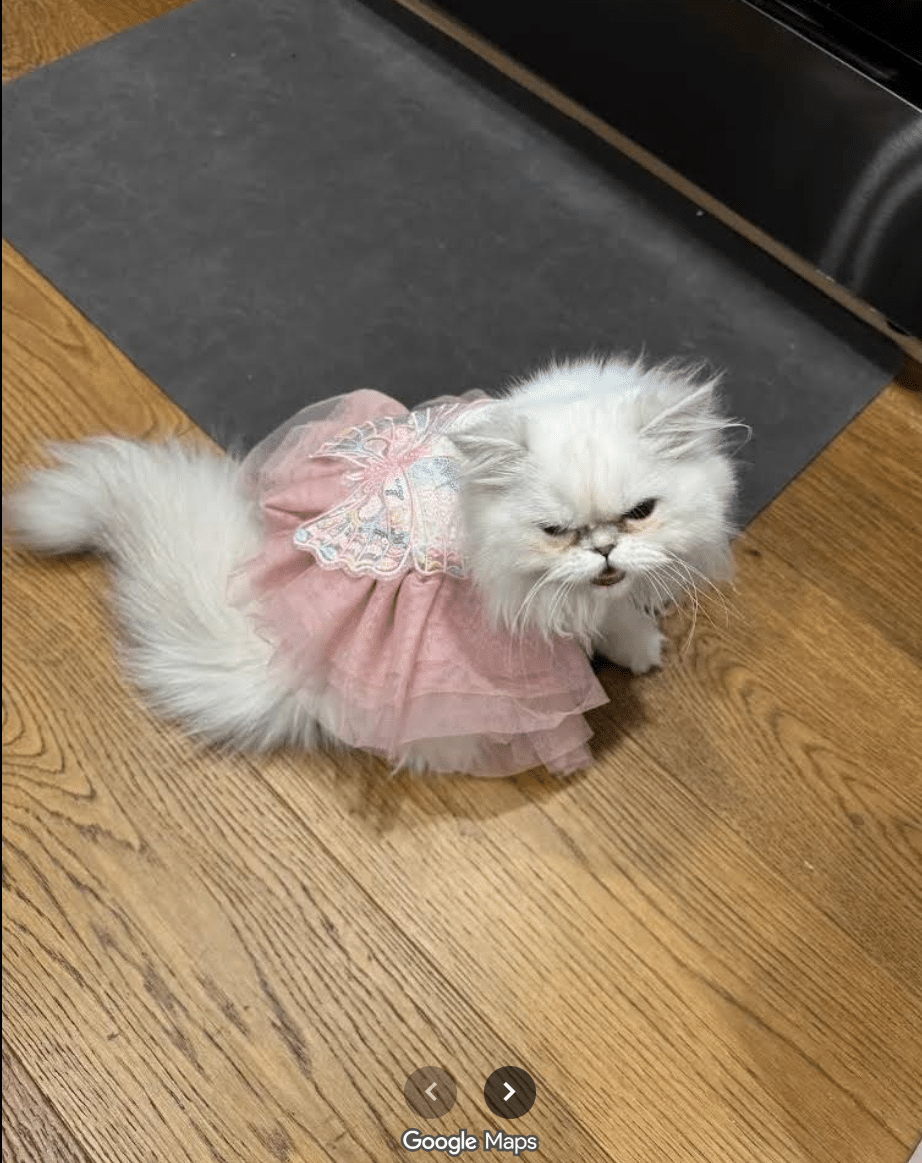
Persians, Himalayans, and Exotic Shorthairs all share that sweet, round face — and a lot of DNA. Here’s how they actually differ, and which might suit you.
Persian
The original. A long, flowing coat, a sweet expression, and a calm, affectionate temperament. Persians come in many colors and patterns, and the most important choice within the breed is doll face vs peke face — the traditional doll-face structure being the healthier one.
Best for: someone who loves the classic long-haired look and doesn’t mind regular grooming.
Himalayan
A Persian in color-point dress. Himalayans have the long Persian coat and gentle nature, but carry the color-point gene — pale bodies with darker “points” on the ears, face, legs, and tail, plus vivid blue eyes. Many registries consider the Himalayan a color variety of the Persian rather than a separate breed.
Best for: lovers of the Siamese-style color pattern who want a calm, long-haired cat. Our Chinchilla Point Persians offer that same soft color-point look and blue eyes in the healthier doll-face structure.
Exotic Shorthair
Often called “the Persian in pajamas.” Same round face and easygoing personality, but a short, dense, plush coat thanks to a short-hair gene. Far lower grooming — usually just weekly brushing.
Best for: people who love the Persian face and temperament but want minimal coat care. (We’re a long-haired cattery and don’t breed Exotics — here’s more on the breed.)
Quick comparison
- Coat: Persian = long · Himalayan = long, color-point · Exotic = short, plush
- Eyes: varies · Himalayan = always blue · varies
- Grooming: high · high · low
- Temperament: all three are calm, affectionate companions
What we raise
We specialize in healthy doll-face Persians — White, Silver Chinchilla, and Chinchilla Point. Meet them here →